When purchasing hearing protection in bulk, one decision that often gets overlooked is whether to choose corded or uncorded ear plugs. It seems like a minor detail — but for businesses buying 10,000+ pairs per year, the cord (or lack of it) directly affects loss rates, hygiene compliance, total cost, and worker adoption. According to OSHA's noise exposure guidelines, employers must provide hearing protection that workers will actually wear consistently — and cord design plays a bigger role in compliance than most procurement teams realize.
What Are Corded Ear Plugs?
Corded ear plugs are connected by a flexible cord (typically PVC or textile) that drapes around the worker's neck when the plugs are removed. The cord serves two primary purposes: it prevents the plugs from being lost when temporarily removed, and it allows workers to quickly re-insert them when moving between quiet and noisy zones.
Common cord configurations include:
- Standard neck cord: A single cord connecting both plugs, resting on the back of the neck
- Breakaway cord: A cord with a safety release that snaps apart if caught in machinery — critical for environments with moving parts
- Detachable cord: Plugs with a removable cord attachment, giving workers the option to use them either way
What Are Uncorded Ear Plugs?
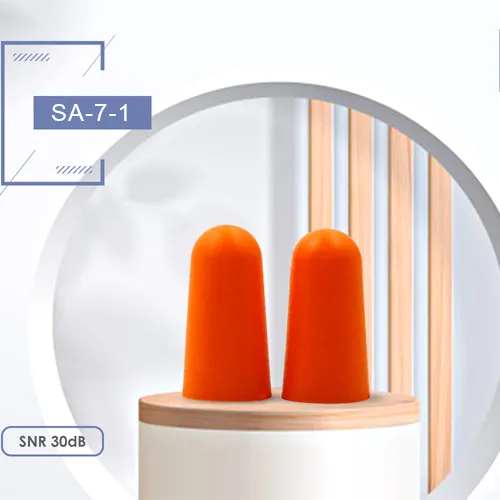
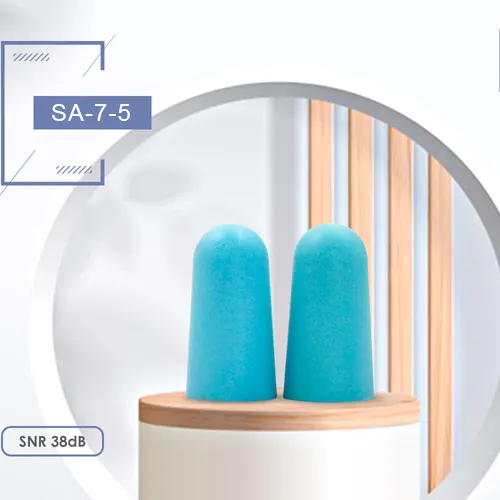
Uncorded ear plugs are standalone units with no connecting cord. They are the most basic and widely used form of disposable hearing protection. Workers insert a fresh pair at the start of each shift and discard them afterward.
Uncorded plugs are typically preferred for:
- Single-use applications where cost per unit is the primary concern
- Environments where a dangling cord creates a safety hazard (e.g., near rotating shafts)
- Visitor and contractor PPE stations where simplicity matters
Head-to-Head Comparison
| Factor | Corded Ear Plugs | Uncorded Ear Plugs |
|---|---|---|
| Loss rate | Low — cord keeps plugs accessible; studies show 50–70% fewer replacements needed | High — easy to misplace, drop, or leave behind |
| Unit cost | 15–20% higher per pair | Lowest per-pair cost available |
| Total cost of ownership | Often lower over 12 months due to reduced consumption | Can be higher when factoring in replacement frequency |
| Hygiene | Cord can harbor bacteria if not replaced regularly; food-grade cords available | Fresh pair each use = maximum hygiene |
| Safety risk | Cord may snag on machinery — use breakaway cords near moving parts | No entanglement risk |
| Worker compliance | Higher — plugs are always within reach, no excuse for "I lost them" | Lower — workers who lose plugs may skip re-inserting |
| NRR / SNR rating | Same as uncorded version — cord does not affect attenuation | Same — attenuation depends on plug material and fit |
| Environmental waste | Less waste per worker-day (fewer plugs consumed) | More waste per worker-day |
The cord itself does not change the noise reduction rating — a foam ear plug rated NRR 33 performs identically whether corded or uncorded. The difference is entirely operational.
When to Choose Corded Ear Plugs
1. Food Processing and Clean Rooms
In food processing facilities, a dropped ear plug that falls into the production line is a contamination event. Corded plugs — especially those with metal-detectable cords and plugs — are the industry standard because they stay attached to the worker and can be detected by metal detectors on the production line. Many food safety auditors (BRC, SQF, FSSC 22000) specifically require corded and detectable hearing protection.
2. Workers Who Frequently Move Between Zones
In facilities where workers alternate between noisy production areas (>85 dB) and quieter office or break spaces, corded plugs let them hang the plugs around their neck instead of searching for a new pair every time. This reduces both consumption and the temptation to skip re-insertion.
3. High-Turnover or Large Workforces
For operations with 100+ workers consuming hearing protection daily, corded plugs can reduce annual consumption by 50–70%. At scale, this savings often exceeds the 15–20% price premium per unit.
4. Compliance-Driven Environments
If your hearing conservation program data shows low compliance rates, corded plugs remove the most common excuse: "I couldn't find my ear plugs." The cord keeps protection accessible at all times during the shift.
When to Choose Uncorded Ear Plugs
1. Near Rotating Machinery
Any environment with exposed rotating shafts, lathes, drill presses, or conveyor rollers presents an entanglement risk with corded plugs. If breakaway cords are not available or not trusted, uncorded is the safer default. According to NIOSH guidelines on hearing loss prevention, hearing protection must never introduce a new safety hazard.
2. Visitor and Contractor Stations
For PPE dispensing stations at facility entrances — where visitors, inspectors, and short-term contractors need quick access — uncorded plugs in bulk dispensers are the most practical option. Workers grab a pair, use them for the visit, and dispose of them on exit.
3. Single-Shift Disposable Use
When plugs are guaranteed to be discarded after every shift (no reuse), the cost advantage of uncorded plugs is straightforward. This is common in construction and demolition, where dust and debris contaminate plugs within hours.
Cost Analysis: A Real-World Example
Consider a manufacturing facility with 200 workers, each requiring hearing protection for a full shift, 250 working days per year:
| Scenario | Uncorded | Corded |
|---|---|---|
| Unit cost per pair | $0.08 | $0.10 |
| Pairs consumed per worker per day | 1.8 (loss + replacement) | 1.1 (cord reduces loss) |
| Annual consumption (200 workers × 250 days) | 90,000 pairs | 55,000 pairs |
| Annual cost | $7,200 | $5,500 |
| Annual savings | — | $1,700 (24% less) |
Despite the higher unit cost, corded plugs save this facility $1,700/year — enough to fund a quarterly fit-testing program. The breakeven point is typically reached when daily loss rates exceed 1.3 pairs per worker.
Compliance and Certification Considerations
Both corded and uncorded versions of the same ear plug carry identical NRR and SNR ratings — the cord does not affect acoustic performance. Certifications to verify:
- US market: ANSI S3.19 or S12.6 test protocol, EPA-mandated NRR label
- EU market: CE marking per EN 352-2 (ear plugs standard)
- Food processing: Metal-detectable certification (if required by BRC/SQF audits)
- Breakaway cords: Should meet employer's maximum pull-force specification (typically 2–4 lbs)
When requesting quotes from suppliers, always specify whether you need corded, uncorded, or both — and whether breakaway or detachable cord options are required. EASTRAGON offers all configurations across our foam and silicone ear plug ranges.
Frequently Asked Questions
Does the cord reduce the noise reduction rating of ear plugs?
No. The cord connects to the outer base of the plug and does not affect the seal inside the ear canal. A corded foam plug rated NRR 32 provides the same attenuation as the uncorded version of the same plug. Always verify by checking the NRR or SNR rating on the product packaging.
Are corded ear plugs safe to use around machinery?
Standard corded ear plugs should not be used near exposed rotating parts. Use breakaway cords that release under 2–4 lbs of force in these environments. Alternatively, choose uncorded plugs for workstations with entanglement risk and corded plugs for transit areas within the same facility.
Can I mix corded and uncorded plugs in the same facility?
Yes — this is common best practice. Many facilities stock corded plugs for production floor workers (who move between zones) and uncorded plugs for visitor dispensers and high-risk machinery stations. Ensure both types have the same NRR so your hearing conservation program calculations remain consistent.
How often should corded ear plugs be replaced?
For disposable corded foam plugs: replace daily (same as uncorded). For reusable corded silicone plugs: replace the plugs every 2–4 weeks and the cord when it shows signs of stretching, discoloration, or cracking. Inspect daily before use.
Need help choosing the right corded or uncorded ear plugs for your workforce? Contact EASTRAGON for a free product recommendation — we offer both configurations across foam, silicone, and filtered ear plug lines. MOQ from 5,000 pairs, samples ship within 7 days.